Celebrate Día de Muertos with Tradition and Color
Immerse yourself in the vibrant spirit of Día de Muertos in Mazatlán with El Cid Resorts. Experience the magic of this cherished Mexican tradition with colorful altars, sugar skulls, and marigolds by the sea.
A Mexican Tradition with Deep Roots
Every year on November 1st and 2nd, Mexico honors its departed loved ones with a unique celebration: Día de Muertos (Day of the Dead). This vibrant tradition, filled with symbolism, color, and remembrance, is one of the country’s most meaningful cultural expressions.
Origins of Día de Muertos
Día de Muertos has roots in pre-Hispanic civilizations such as the Mexica and Maya. These cultures believed that death was not the end, but a transition to another realm. With the arrival of the Spanish, this worldview blended with All Saints’ Day, giving birth to the modern celebration.
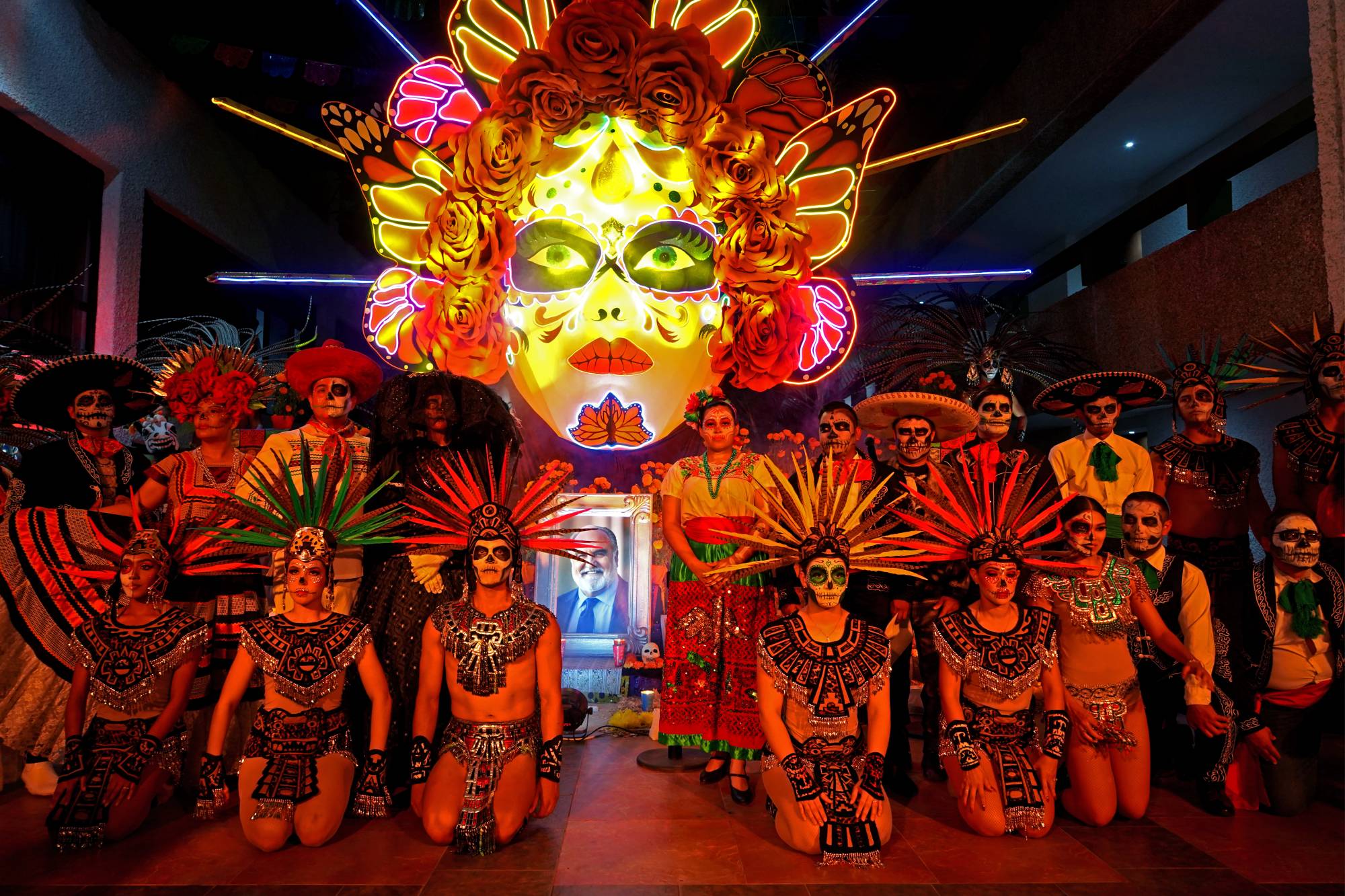
Essential Elements of the Altar
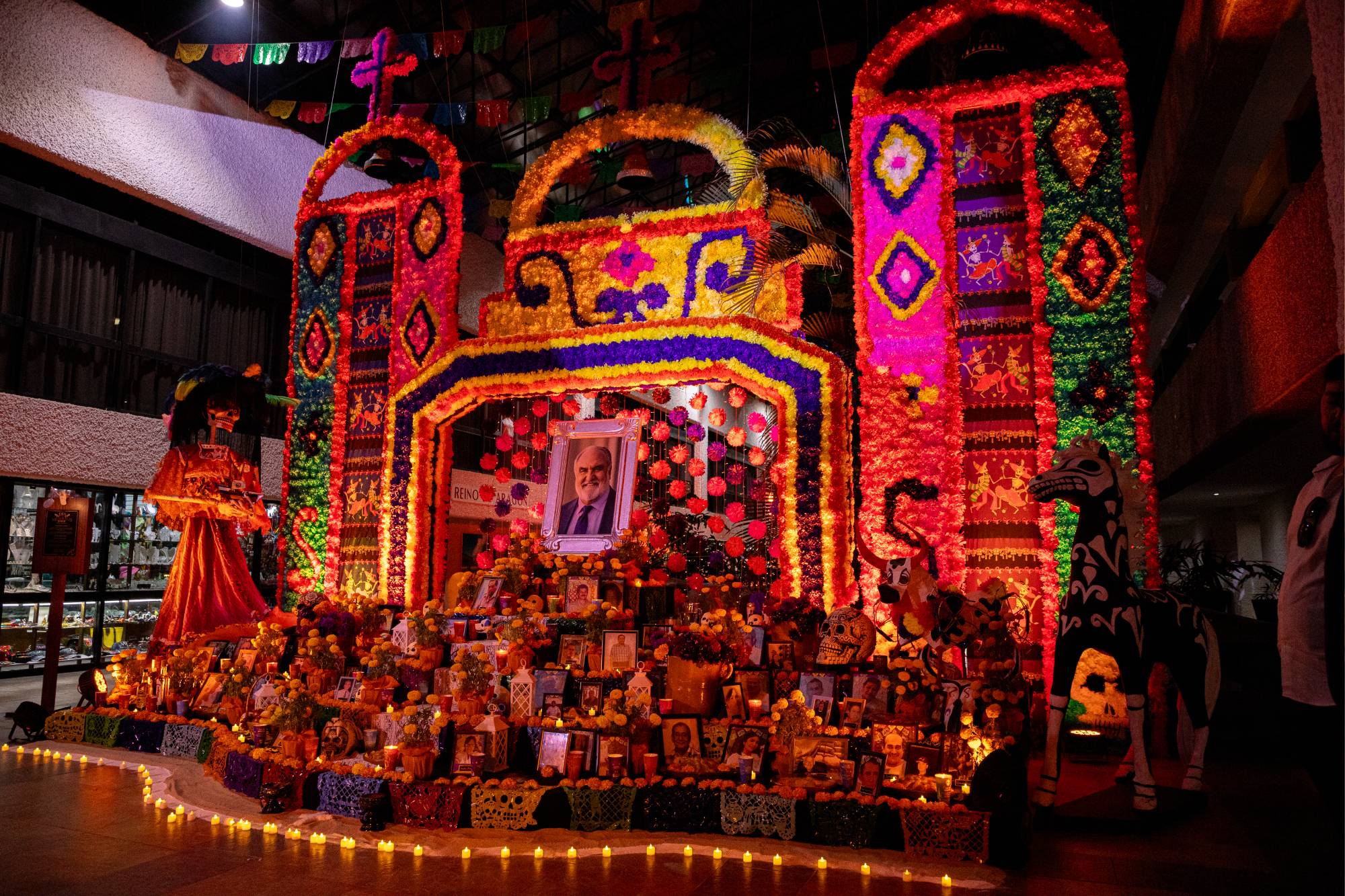
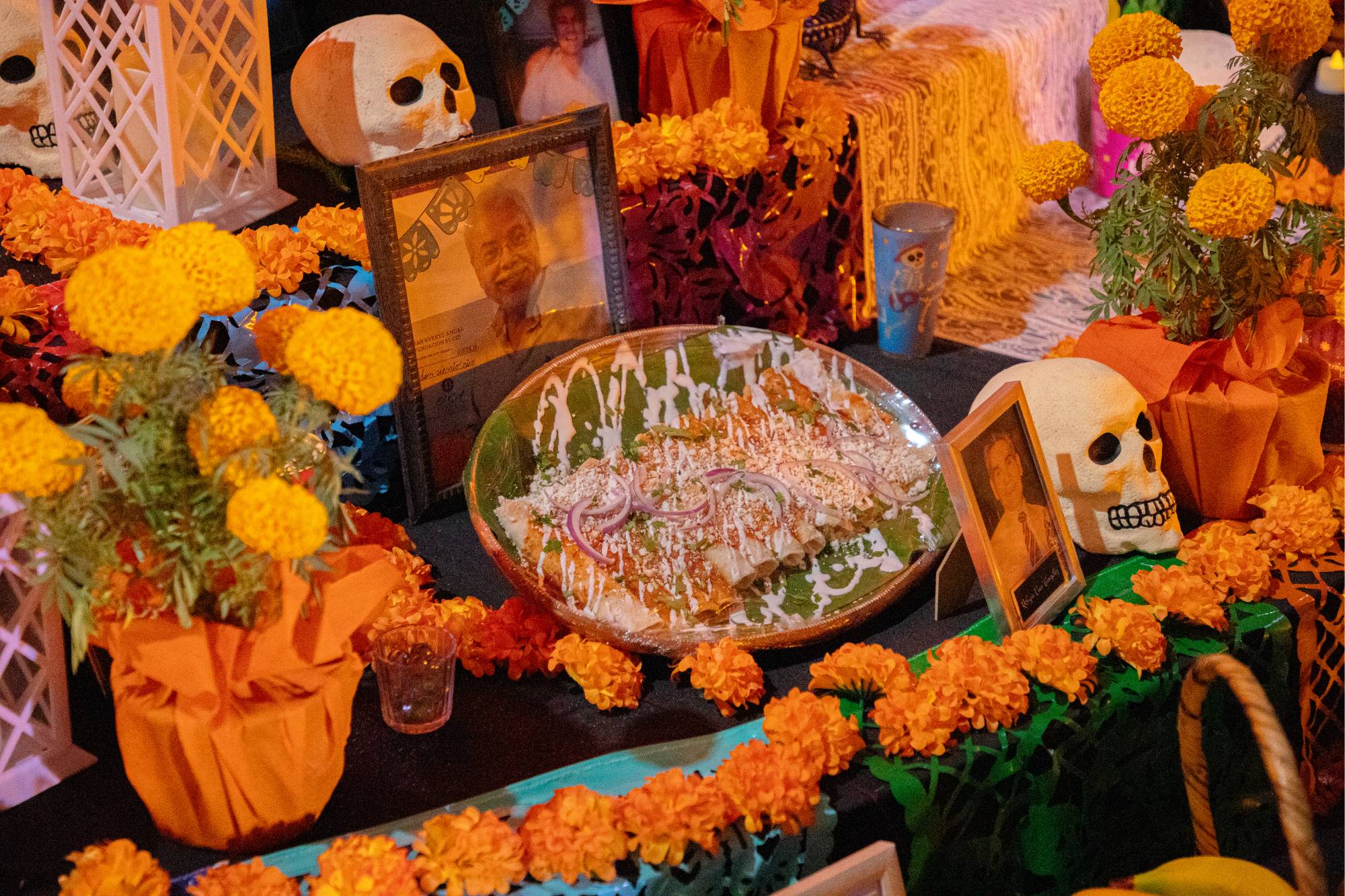
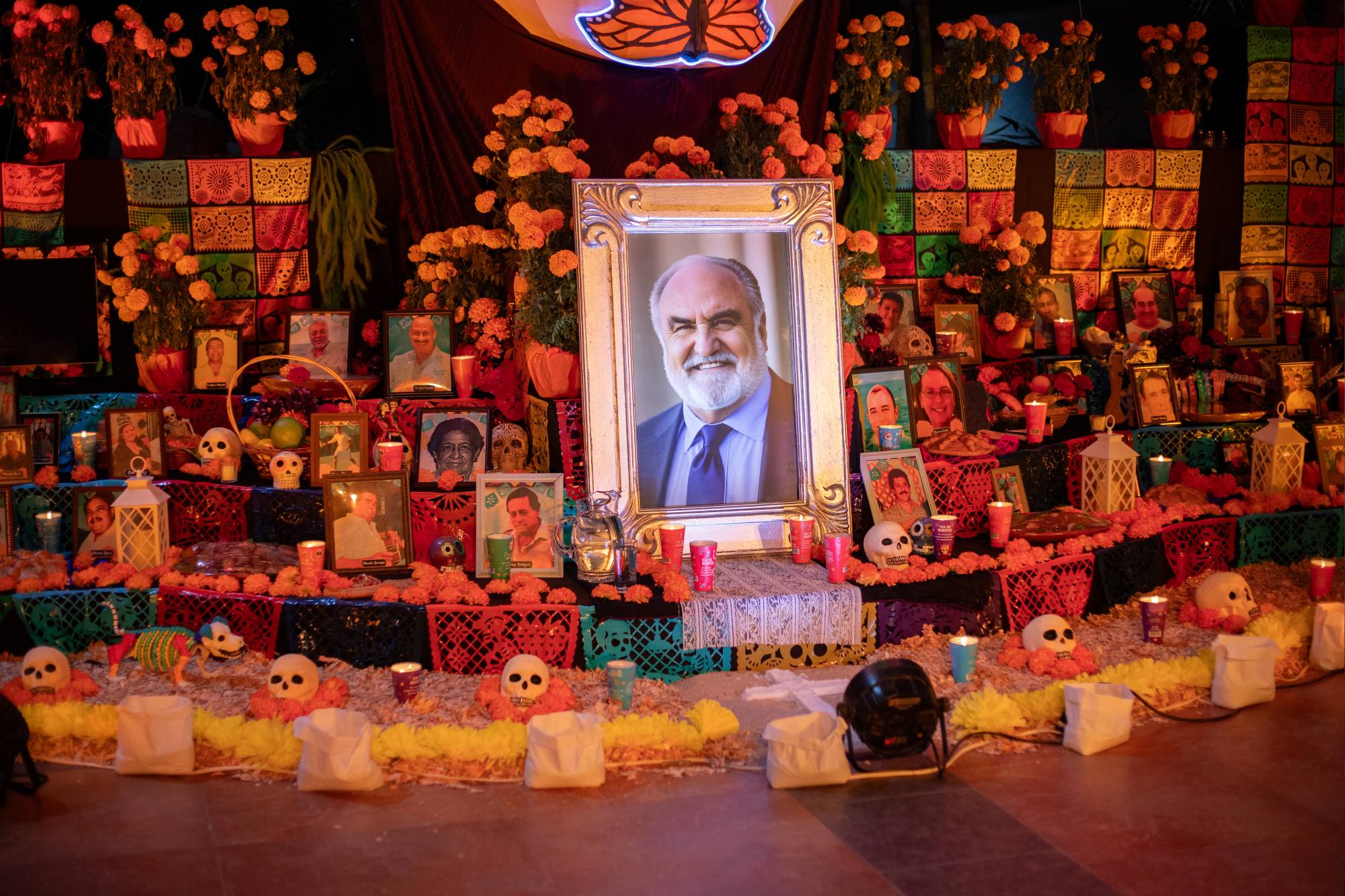
One of the most important parts of Día de Muertos is the ofrenda or altar. Each item on the altar holds special meaning:
- Photographs: To honor the memory of departed loved ones.
- Marigold flowers (cempasúchil): Their bright color and scent guide the spirits home.
- Candles: Light the way for souls to return.
- Pan de muerto: A traditional bread decorated to symbolize bones and tears.
- Water and salt: To quench the spirit’s thirst and purify their journey.
- Sugar or chocolate skulls: Symbolizing the cycle of life and death.
Altars are symbolic spaces where families connect with their ancestors, not religious shrines.
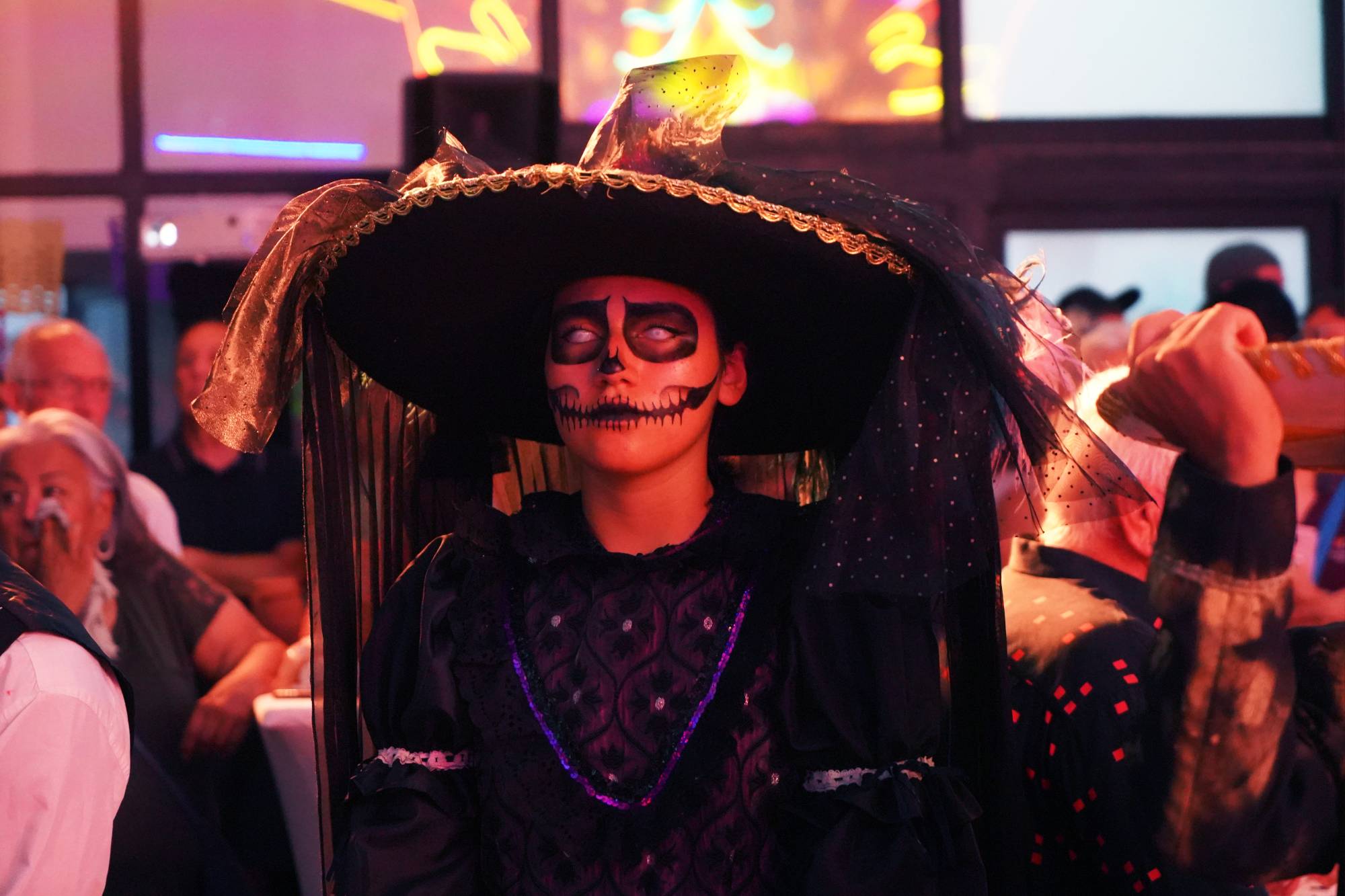
Skulls and La Catrina
Decorated skulls and La Catrina—inspired by José Guadalupe Posada’s famous artwork—have become icons of Día de Muertos. They reflect a uniquely Mexican way of facing death: with humor, color, and acceptance.
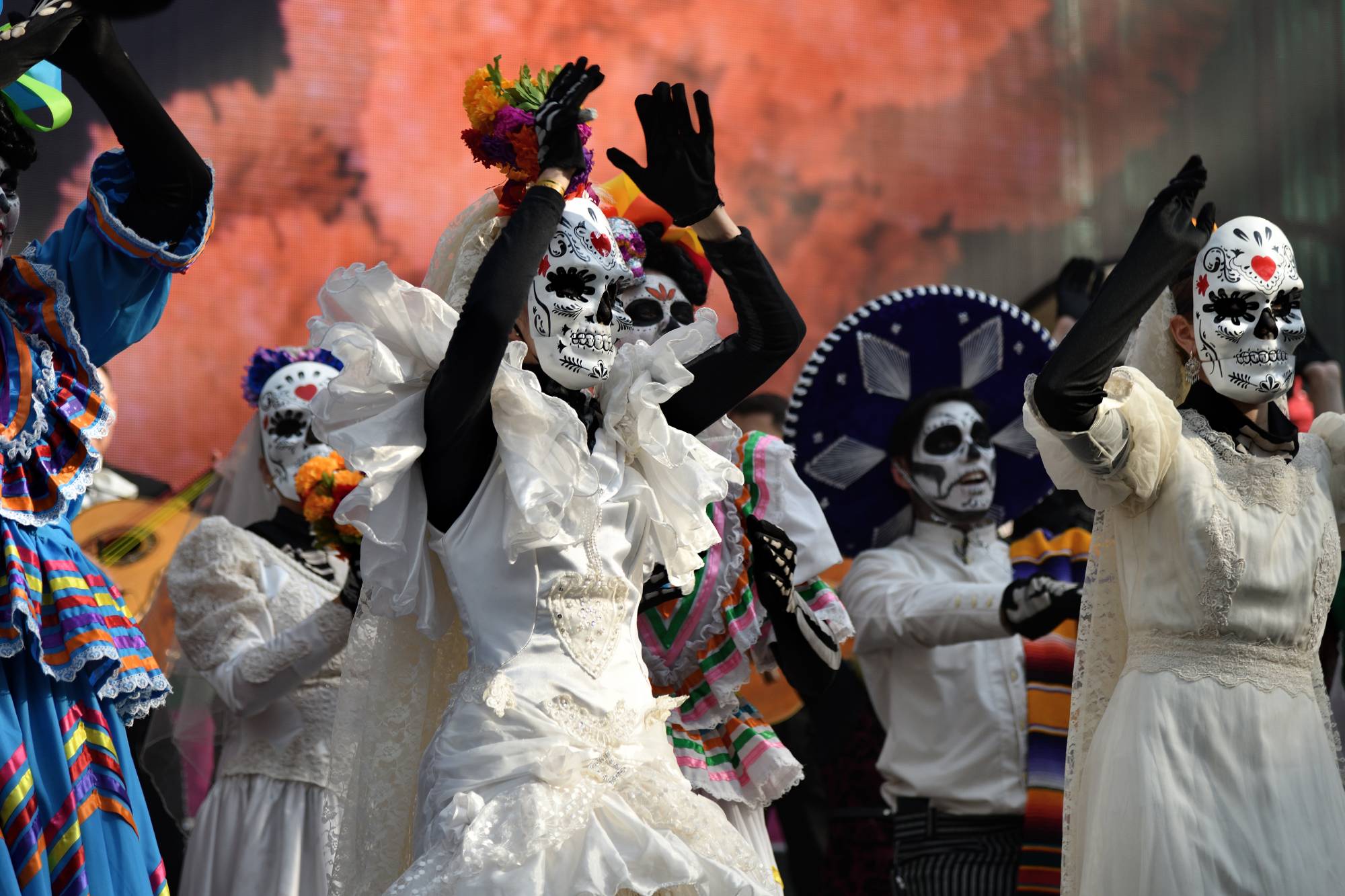
Día de Muertos in Mazatlán: The Callejoneada
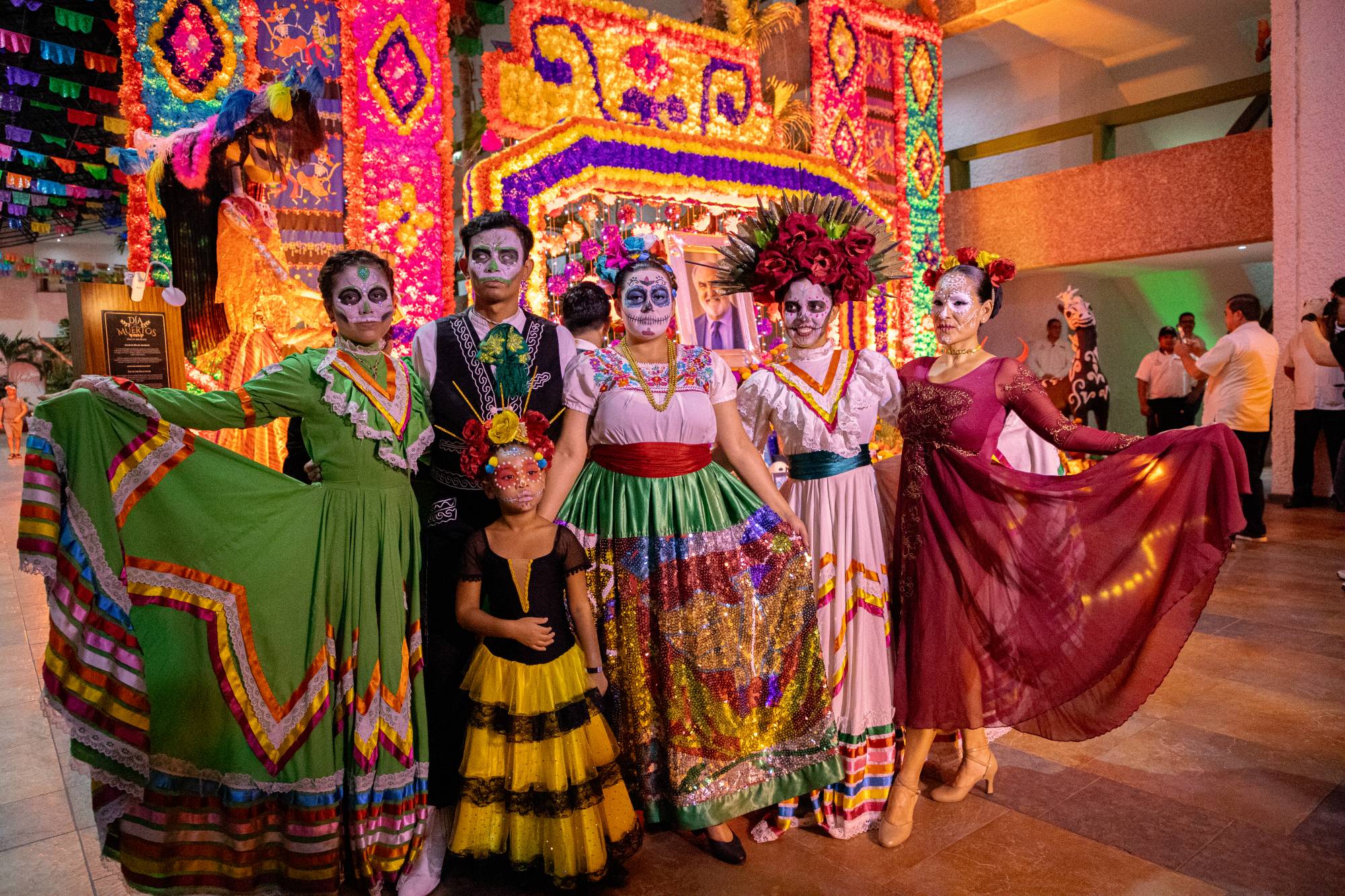
In Mazatlán, Sinaloa, the celebration includes a special event called the Callejoneada. This lively nighttime procession through the historic downtown features people dressed as catrinas and skeletons, accompanied by traditional banda music, public altars, and folk art.
The streets come alive with culture, reminding everyone that Día de Muertos is a joyful time of community and remembrance, not sadness.
A Bridge Between Worlds
More than just a tradition, Día de Muertos teaches us that death is not forgetting, but remembering with love. It invites us to cherish memories and keep alive the stories of those who have passed.
Other Articles you may like
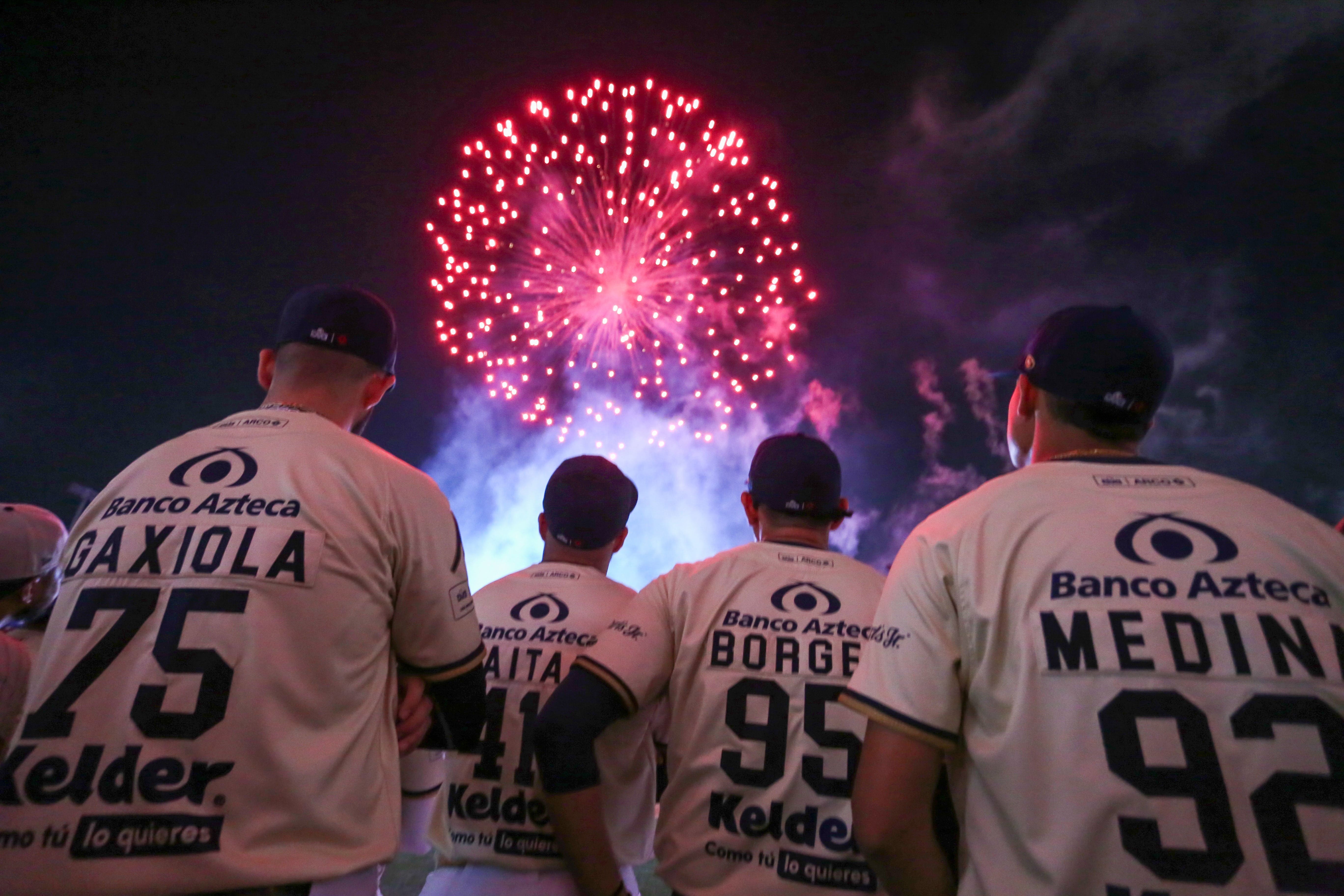
Mazatlán is much more than beautiful beaches and vibrant nightlife. This gem of Mexico is also a must-visit destination for baseball fans. Since its beginnings, the sport has been woven into the city's culture, becoming a fundamental element of its identity.